
Last Updated on March 10, 2026 by Dr. Julie Kim
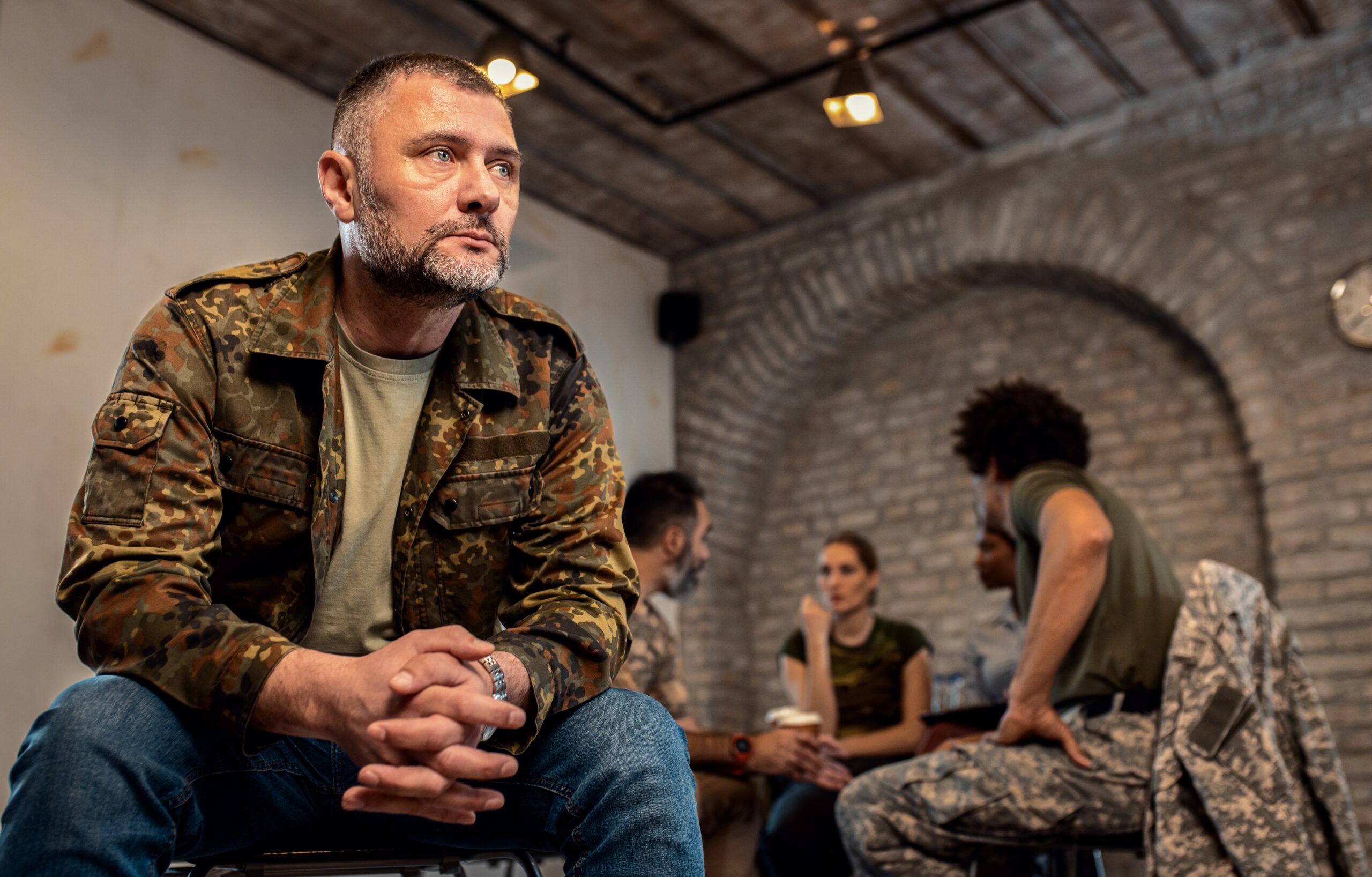
At Brainwave Neuro Performance Center in Tucson, AZ, we work with many individuals who have dedicated their lives to service—veterans, firefighters, law enforcement officers, and paramedics. These men and women are trained to handle high-stress, life-threatening situations, yet the silent impact of trauma often lingers long after duty ends.
Led by Dr. Julie Kim and our compassionate Brainwave team, we specialize in understanding how Post-Traumatic Stress Disorder (PTSD) uniquely affects those who serve—and in offering science-backed therapies like MeRT (Magnetic e-Resonance Therapy to help them find relief and healing.
Understanding PTSD and Its Impact
PTSD is a neurological condition that develops after exposure to traumatic events. While symptoms vary from person to person, they often include flashbacks, mood swings, insomnia, anxiety, emotional numbness, and hypervigilance.
For veterans and first responders, these symptoms can feel particularly overwhelming because trauma is often repeated and tied to high-pressure, split-second decisions. The brain may begin to operate in survival mode, with disrupted neural patterns that make it difficult to rest, focus, or feel safe—even when danger has passed.
Why It’s Different for Veterans and First Responders
Unlike many civilians, veterans and first responders experience trauma as part of their daily reality. This repeated exposure creates more complex neurological changes over time. In the military or emergency response settings, trauma comes not just from one moment—but from years of witnessing crisis after crisis.
Other factors contribute as well:
- Cultural expectations. Many service members and responders are conditioned to “keep pushing through,” leading them to suppress emotions or avoid seeking help.
- Chronic hypervigilance. The brain learns to stay alert at all times, making it hard to relax or sleep.
- Loss of identity. When transitioning out of service, many lose a sense of purpose or connection, compounding the emotional strain.
This combination often results in a neurological imbalance where the brain’s communication patterns become disrupted—something that can’t always be “talked through” with traditional therapy alone. That’s where MeRT offers promise.
How MeRT Helps Reconnect the Brain
MeRT (Magnetic e-Resonance Therapy) is a non-invasive, personalized treatment designed to restore healthy brainwave communication. During treatment, we use advanced EEG technology to map individual brain activity and identify areas that are not functioning optimally.
Using gentle magnetic stimulation, MeRT helps recalibrate those areas so the brain can communicate more effectively. For veterans and first responders living with PTSD, this can mean:
- Improved sleep and emotional regulation
- Reduced anxiety and flashbacks
- Better concentration and cognitive clarity
- A renewed sense of calm and safety
Our patients often describe MeRT as the difference between coping with PTSD and finally starting to heal from it.
Supporting Our Tucson Community
At Brainwave Neuro Performance Center, we consider it our mission to support the heroes of Tucson and Southern Arizona who have supported us. Under Dr. Julie Kim’s leadership, our team takes a deeply individualized approach to care—considering each patient’s history, lifestyle, and goals.
We believe every veteran and first responder deserves access to treatments that honor both their brain and their bravery.
Take the First Step Toward Healing
If you or someone you know is a veteran or first responder struggling with PTSD symptoms, you don’t have to face it alone. Learn how MeRT can help restore balance and peace of mind by reaching out to our New Patient Coordinator or calling us directly at (520) 502-6747 to schedule your consultation.
At Brainwave Neuro Performance Center, we’re honored to help heal the minds that protect and serve.

Dr. Julie Kim is a board-certified Internal Medicine physician with over 25 years of clinical experience and has served as Medical Director of the Brain Treatment Center since 2013. She specializes in advanced brain health therapies, including TMS and MeRT, and has treated patients with PTSD, TBI, addiction, stroke, autism, and other neurological conditions. As a Fellow of the American College of Physicians, she is recognized for pioneering safety protocols and physician training in TMS and MeRT therapy. Dr. Kim is highly rated for her compassionate, patient-focused care and frequently invited to speak on brain health and performance optimization.
